
As an Amazon Associate, I earn from qualifying purchases.
A mini food processor may look like a small appliance, but it can make a big difference in everyday cooking. For quick prep tasks like chopping onions, mincing garlic, blending sauces, or making a small batch of salsa, it often does exactly what home cooks need without taking up the space of a full-size machine.
That is why so many people search for how to choose mini food processor options that fit their kitchen and cooking habits. The challenge is that not all models are equally useful. Some are too weak for regular prep. Some are too small to be practical. Others are frustrating to clean, which means they end up sitting in a cabinet instead of being used every week.
The best choice depends less on brand hype and more on how you cook. If you mostly prepare simple meals, work with limited counter space, or want a tool that helps with daily chopping and mixing, a mini food processor can be a smart buy. The key is knowing what features matter and which ones are just extra noise.
This guide breaks it all down in a simple way. You will learn who should buy one, what to look for, how a mini food processor compares with a mini chopper, and what mistakes to avoid before making a decision.
Why a Mini Food Processor Is So Useful for Everyday Cooking
A full-size food processor is helpful for large batches, but most people do not need that level of capacity every day. Weeknight cooking usually involves smaller jobs. You may need to chop one onion, mince a few cloves of garlic, blend dressing, pulse nuts, or prep vegetables for a quick stir-fry. In those moments, a compact appliance often makes more sense.
That is where the best mini food processor stands out. It gives you speed and convenience without the bulk of a larger machine. It is faster to take out, easier to store, and often much easier to clean.
For many home cooks, that is the real value. A smaller tool that gets used often is usually better than a larger one that feels like too much work.
Who Should Buy a Mini Food Processor
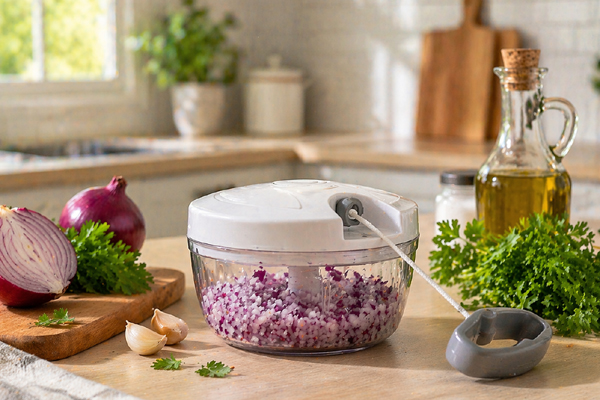
A mini food processor is not for everyone, but it is a great fit for many kitchens.
It works especially well for:
Apartment dwellers
If you have limited cabinet or counter space, a mini food processor for small kitchen use is much easier to manage than a full-size appliance.
Beginners
A small processor is usually more approachable. It handles basic prep without too many attachments or complicated settings.
People cooking for one or two
If you are not making huge batches, a mini model is often enough for daily use.
Busy home cooks
If you prepare meals during the week and want to save time on repetitive tasks, this type of machine can help.
Anyone who wants less knife work
A mini food processor can cut down on chopping time, especially when you cook with vegetables, herbs, onions, garlic, or sauces.
What a Mini Food Processor Can Actually Do
Many shoppers think these machines are only for chopping, but a good mini model can do more than that.
Depending on the design, it may help with:
- chopping onions, herbs, and garlic
- dicing softer vegetables
- making salsa, pesto, and sauces
- mixing dips and spreads
- pulsing breadcrumbs
- chopping nuts
- pureeing cooked ingredients
- prepping ingredients for soups, omelets, pasta sauces, and meal prep bowls
This is why a compact food processor can become one of the most useful tools in a kitchen. It supports everyday cooking without requiring the space and effort of a larger machine.
How to Choose Mini Food Processor Models the Right Way
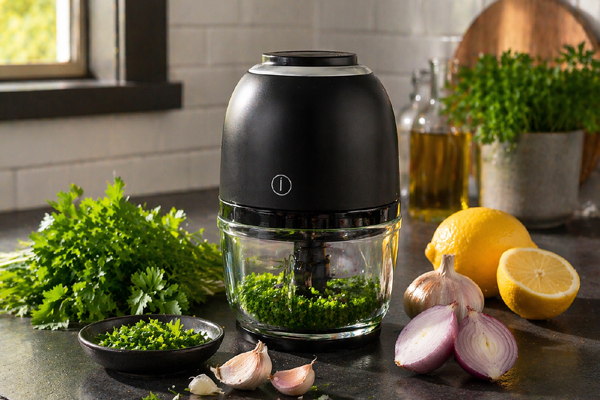
If you want to know how to buy a mini food processor, start with your real kitchen habits. The best model is not just the one with the best-looking design or the lowest price. It is the one that handles the tasks you do most often.
1. Think About What You Cook Every Week
Before looking at features, think about your normal routine.
Do you chop vegetables several times a week? Make homemade sauces? Cook for one? Prep ingredients for quick meals? Blend dressings or dips? Chop nuts or herbs often?
These questions matter because different models perform better for different uses. If your main goal is chopping onions and garlic, you may not need the same machine as someone who also wants to puree ingredients or make pesto.
The smartest mini food processor buying guide always starts with real use, not product marketing.
2. Pick the Right Bowl Capacity
Bowl capacity can make or break your experience. One of the most overlooked features of mini food processor models is whether the bowl is actually the right size for your needs.
Most mini processors fall into these ranges:
- 2 to 3 cups for tiny tasks like herbs, garlic, nuts, and sauces
- 3.5 to 4 cups for regular daily prep
- 4 to 5 cups for people who want more flexibility without moving to a full-size model
If the bowl is too small, you may have to work in multiple batches, which cancels out the convenience. If it is too big, the machine can feel less compact than you wanted.
For most US households cooking small to medium portions, a 3.5- to 4-cup bowl is the most practical choice.
3. Do Not Ignore Motor Power
A mini food processor may be small, but it still needs enough power to do more than just chop soft ingredients.
This is especially important if you want a small food processor for vegetables. Firmer items like carrots, onions, celery, and nuts require a machine with enough strength to process evenly.
A weak motor can lead to:
- uneven chopping
- ingredients getting stuck
- overheating
- more strain on the appliance
- shorter lifespan over time
You do not need the most powerful unit on the market, but you do want one that feels capable for daily use. If you plan to process more than soft herbs and sauces, avoid choosing based on size alone.
4. Look Closely at Blade Quality
Blades are one of the biggest differences between a disappointing machine and a useful one. A strong mini processor should have sharp, durable stainless steel blades that cut cleanly rather than crush ingredients.
Good blade quality helps with:
- more even chopping
- better texture in dips and spreads
- less overprocessing
- more consistent results with vegetables and herbs
This matters a lot in daily cooking. You do not want onions turning watery while larger chunks remain uncut. Blade quality has a direct effect on performance, so it should be near the top of your checklist.
5. Make Sure It Is Easy to Clean
An easy to clean mini food processor is much more likely to become part of your routine. A model that is annoying to wash often gets used once or twice and then forgotten.
Look for:
- dishwasher-safe bowl and lid
- removable blades
- simple design with few parts
- smooth surfaces that rinse easily
- easy assembly and reassembly
For many people, ease of cleaning is just as important as chopping power. A machine that saves time during prep but creates a cleanup headache is not really making life easier.
6. Check Safety Features
Safety matters, especially if the appliance will be used often. A good mini food processor should not run unless the lid is locked properly. It should also stay stable on the counter during use.
Useful safety details include:
- lid-lock system
- non-slip feet
- secure bowl attachment
- buttons or controls that are easy to manage
These features may seem basic, but they make the appliance feel more dependable and less stressful to use.
7. Think About Storage and Kitchen Size
Many buyers specifically want a mini food processor for small kitchen setups, so do not overlook physical size. A unit that technically counts as mini may still take up more room than expected.
Before buying, think about:
- cabinet height
- shelf depth
- counter space
- whether the cord stores neatly
- how many separate parts need to be stored
The best compact model is one you can grab easily and put away without effort.
Mini Chopper vs Food Processor
A lot of shoppers compare mini chopper vs food processor because the two can look very similar. They are related, but they are not exactly the same.
A mini chopper is usually more basic. It is mainly made for chopping ingredients such as onions, herbs, and garlic. It often has fewer features and may not handle a wider range of textures as well.
A mini food processor is usually more versatile. It can often chop, pulse, mix, puree, and handle a broader variety of everyday prep tasks.
Choose a mini chopper if:
- you only need simple chopping
- you want a lower-cost option
- you do not plan to make sauces or purees often
Choose a mini food processor if:
- you want more flexibility
- you cook several times a week
- you want a better tool for dips, dressings, and meal prep
For most people looking for an everyday kitchen helper, the food processor is the more useful long-term choice.
Signs a Mini Food Processor Is Right for You
You will probably benefit from one if:
- you cook in small to medium portions
- you prep vegetables often
- you want faster weeknight meal prep
- you make sauces, dips, or dressings at home
- you live in a small space
- you want something easier to clean and store than a full-size processor
If that sounds like your cooking routine, a mini model can be a practical upgrade.
Common Mistakes to Avoid When Buying
A lot of regret comes from choosing based on price or appearance instead of actual kitchen needs.
Buying the cheapest option without checking performance
Budget matters, but very low-cost models may come with weak motors, dull blades, or flimsy lids.
Choosing a bowl that is too small
A tiny processor may look convenient, but if you always need multiple rounds, it becomes frustrating.
Forgetting about cleanup
A machine with too many awkward parts can quickly become a hassle.
Expecting it to replace a full-size processor
A mini processor is great for small jobs, but it still has limits. It is meant for everyday prep, not large-batch projects.
Buying based only on looks
A sleek design is nice, but performance, cleaning, and bowl capacity matter far more.
Quick Buyer Checklist
Use this list before you buy any model:
- Does the bowl size match your normal cooking volume?
- Is the motor strong enough for vegetables, nuts, or thicker ingredients?
- Are the blades stainless steel and easy to remove?
- Is it simple to clean after daily use?
- Does it have a secure locking lid?
- Will it fit in your kitchen storage space?
- Does it make sense for how you actually cook during the week?
This kind of checklist helps narrow down options quickly without getting distracted by marketing claims.
What Matters Most for Everyday Kitchen Use
If your goal is regular meal prep, the most important features are usually the simplest ones.
A best food processor for everyday use should feel easy, reliable, and convenient. That usually means:
- enough power for common ingredients
- a bowl large enough for daily prep
- sharp blades
- easy cleaning
- secure operation
- compact storage
These are the features that make an appliance useful week after week, not just interesting on the day you buy it.
Frequently Asked Questions
What size mini food processor is best for everyday use?
For most people, a 3.5- to 4-cup model is a good middle ground. It handles daily prep well without taking up too much space.
Can a mini food processor chop vegetables?
Yes. A good small food processor for vegetables can handle onions, peppers, celery, herbs, and similar ingredients well, especially if it has a solid motor and sharp blades.
Is a mini food processor enough for a small household?
In many cases, yes. If you cook for one or two people and mostly prepare small batches, it can be enough for everyday tasks.
What is better: mini chopper or mini food processor?
In the mini chopper vs food processor comparison, a mini food processor is usually better for versatility, while a chopper is better for simple chopping only.
What should I look for in an easy to clean mini food processor?
Look for dishwasher-safe parts, removable blades, simple assembly, and a bowl design that rinses clean easily.
Final Thoughts
Choosing the right mini appliance is less about picking the flashiest model and more about choosing the one that fits your daily kitchen routine. When people search for how to choose mini food processor options, what they really want is something useful, compact, and easy to live with.
That is why the best choice usually comes down to a few core factors: the right bowl capacity, enough motor strength, durable blades, easy cleaning, safe design, and a size that works in your kitchen. If a model checks those boxes, it is far more likely to become something you actually use instead of something you store and forget.
For many home cooks, especially beginners, apartment dwellers, and small households, a mini food processor is one of the easiest ways to make meal prep faster and less tiring. It can save time, reduce repetitive knife work, and help make everyday cooking feel more manageable.
If you keep your real needs in mind and focus on the practical details that matter, you will have a much easier time finding a mini food processor that truly earns its place in your kitchen.
As an Amazon Associate, I earn from qualifying purchases.