
As an Amazon Associate, I earn from qualifying purchases.
Not every pan labeled “healthy” is the best choice for your kitchen. Some cookware looks clean, modern, and safe, but the real value depends on what it is made of, how it handles heat, how long it lasts, and whether it fits the way you actually cook.
That is why choosing the best non toxic cookware 2026 is not just about buying the prettiest ceramic set online. It is about understanding the difference between stainless steel, cast iron, carbon steel, ceramic-coated cookware, true ceramic, and enameled cast iron.
This guide is built for real home kitchens. Whether you cook eggs every morning, make pasta for your family, meal prep on Sundays, or want to replace old nonstick pans, these safe cookware options will help you shop smarter.
Quick Picks: Best Non Toxic Cookware 2026
| Category | Best Choice | Best For |
|---|---|---|
| Best Overall | Tri-ply stainless steel cookware set | Everyday cooking and long-term use |
| Best for Beginners | Ceramic-coated frying pan | Eggs, pancakes, and easy cleanup |
| Best Long-Term Value | Cast iron skillet | Searing, baking, and high-heat cooking |
| Best Lightweight Pick | Carbon steel pan | Stir-frying and fast weeknight meals |
| Best for Families | Stainless steel pots and pans set | Daily meals and batch cooking |
| Best for Small Kitchens | 3-piece essential cookware set | Apartments and limited storage |
| Best for Soups and Braises | Enameled cast iron Dutch oven | Slow cooking and comfort food |
| Best Budget Option | Classic cast iron skillet | Affordable, durable cooking |
What Does Non Toxic Cookware Really Mean?
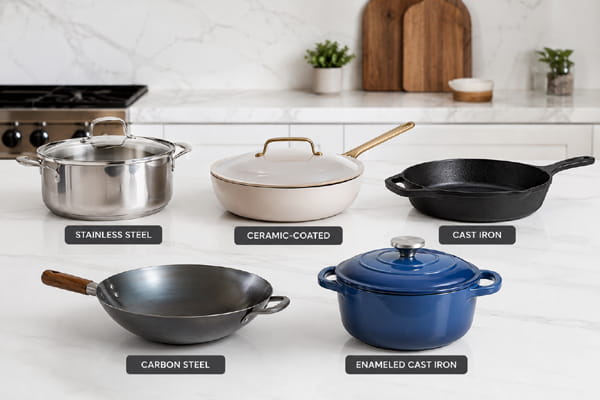
“Non toxic cookware” is a broad phrase. For most shoppers, it means cookware made without questionable coatings, unclear chemical claims, or surfaces that break down quickly under normal use.
The most common terms you will see are:
PFAS free cookware: Cookware marketed as free from a broad group of chemicals often used for nonstick and grease-resistant properties.
PFOA free cookware: Cookware free from PFOA, one specific chemical historically linked to some nonstick manufacturing.
PTFE free cookware: Cookware that does not use PTFE, the material commonly associated with traditional nonstick coatings.
Ceramic-coated cookware: A metal pan with a ceramic-style coating that creates a smooth cooking surface.
True ceramic cookware: Cookware made mainly from ceramic material, not just coated metal.
Here is the important part: do not buy cookware based on one label alone. A pan that says “healthy” or “eco-friendly” is not enough. Look for clear material details, coating information, heat limits, warranty, and care instructions.
Best Non Toxic Cookware Materials in 2026
1. Stainless Steel: Best Overall for Most Kitchens
Stainless steel is one of the safest and most practical cookware choices for everyday cooking. It does not rely on a slick chemical nonstick coating, and a good stainless steel pan can last for years.
The best option for most buyers is tri-ply stainless steel, which usually has an aluminum or copper core between stainless steel layers. This helps the pan heat more evenly.
Best for: pasta, sauces, sautéed vegetables, chicken, fish, soups, and one-pan dinners.
Why it works: Stainless steel is durable, versatile, and low-maintenance. It can handle higher heat better than most coated pans and works well for searing.
What to check before buying:
- Tri-ply or multi-ply construction
- Oven-safe temperature
- Induction compatibility
- Comfortable handles
- Dishwasher-safe details
- Warranty
Skip it if: you want a pan that behaves exactly like traditional nonstick. Stainless steel has a learning curve.
Verdict: Choose stainless steel if you want one safe, durable cookware material that can handle almost everything.
2. Cast Iron: Best Long-Term Value
Cast iron is old-school for a reason. It is strong, affordable, and can last for decades with proper care.
A cast iron skillet is ideal for high-heat cooking. It holds heat well, which makes it great for searing steak, crisping potatoes, baking cornbread, or making a skillet dinner.
Best for: steak, burgers, cornbread, roasted vegetables, pancakes, and oven-to-table meals.
Why it works: Cast iron does not need a synthetic coating. Over time, seasoning creates a natural cooking surface.
What to check before buying:
- Weight
- Handle design
- Pre-seasoned surface
- Pan size
- Care instructions
Skip it if: you dislike heavy pans or do not want to season cookware.
Verdict: Choose cast iron if you want the most durable budget-friendly pan for high-heat cooking.
3. Carbon Steel: Best Lightweight High-Heat Pan
Carbon steel is popular with serious home cooks because it performs like cast iron but feels lighter and more responsive.
It heats faster than cast iron and works well for quick cooking. Once seasoned properly, it can handle eggs, stir-fries, seared vegetables, and meats.
Best for: stir-fry, omelets, seared chicken, fried rice, and quick weeknight meals.
Why it works: Carbon steel gives you high-heat cooking without the bulk of cast iron.
What to check before buying:
- Pre-seasoned or unseasoned surface
- Handle length
- Weight
- Cooktop compatibility
- Care instructions
Skip it if: you want dishwasher-safe cookware with no maintenance.
Verdict: Choose carbon steel if you like cast iron performance but want a lighter, faster pan.
4. Ceramic-Coated Cookware: Best Beginner-Friendly Option
Ceramic-coated cookware is one of the easiest options for people moving away from old nonstick pans. It has a smooth cooking surface and is usually easy to clean.
It works especially well for eggs, pancakes, fish, and low-oil cooking. Many ceramic-coated pans also come in stylish colors, which makes them popular for modern kitchens.
Best for: eggs, pancakes, fish, grilled cheese, and light everyday cooking.
Why it works: It gives you easy food release without the feel of stainless steel or cast iron.
What to check before buying:
- PFAS-free claim
- Oven-safe limit
- Coating care instructions
- Whether it works on induction
- Warranty
- Real user reviews about durability
Skip it if: you want cookware that will last as long as stainless steel or cast iron.
Verdict: Choose ceramic-coated cookware if you want easy cleanup and beginner-friendly cooking, but use it gently.
5. Enameled Cast Iron: Best for Slow Cooking
Enameled cast iron gives you the heat retention of cast iron with a smooth enamel surface. It is excellent for soups, stews, chili, braised chicken, and homemade bread.
Unlike raw cast iron, enameled cast iron does not require seasoning. It also handles acidic foods like tomato sauce better than traditional cast iron.
Best for: soups, stews, braises, sauces, chili, and slow-cooked meals.
Why it works: It holds heat beautifully and looks good enough to serve from the table.
What to check before buying:
- Weight
- Lid fit
- Oven-safe temperature
- Enamel quality
- Size
- Warranty
Skip it if: you need lightweight cookware or mostly cook fast meals.
Verdict: Choose enameled cast iron if you love slow cooking and want a beautiful, long-lasting Dutch oven.
Best Non Toxic Cookware by Buyer Type
For Busy Families
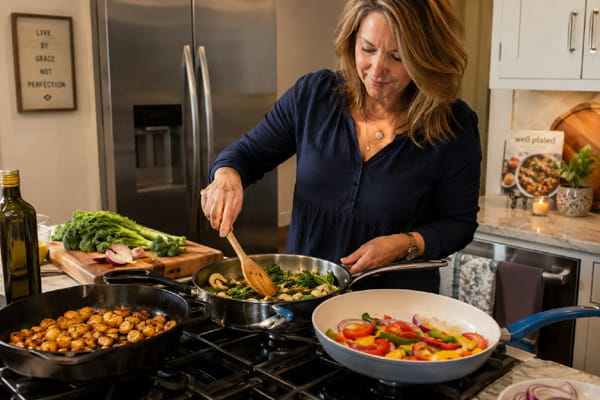
Go with a stainless steel cookware set. Families need flexible cookware that can handle pasta, rice, vegetables, meat, sauces, and soups. Stainless steel is the most practical long-term choice.
For Beginners
Start with one ceramic-coated skillet and one stainless steel saucepan. This gives you easy cooking for breakfast and reliable performance for daily meals.
For Small Apartments
Choose a compact 3-piece set: one skillet, one saucepan, and one stockpot. Do not buy a 12-piece set if you only have one cabinet.
For Budget Buyers
Buy one cast iron skillet and one stainless steel saucepan. This simple setup covers more meals than most people expect.
For Health-Conscious Cooks
Choose stainless steel, cast iron, carbon steel, or enameled cast iron. These are strong choices for people who want safe cookware for everyday cooking without relying on traditional nonstick coatings.
For Low-Oil Cooking
A ceramic-coated pan may be useful, especially for eggs and delicate foods. Just avoid high heat and use soft utensils to protect the surface.
Stainless Steel vs Ceramic vs Cast Iron vs Carbon Steel
| Material | Best For | Main Strength | Main Weakness | Ease of Use | Durability |
|---|---|---|---|---|---|
| Stainless Steel | Everyday cooking | Very versatile | Food can stick | Medium | Excellent |
| Ceramic-Coated | Eggs and delicate foods | Easy cleanup | Coating can wear | Easy | Medium |
| Cast Iron | High heat and searing | Extremely durable | Heavy | Medium | Excellent |
| Carbon Steel | Stir-fry and fast cooking | Lighter than cast iron | Needs seasoning | Medium | Excellent |
| Enameled Cast Iron | Soups and braises | Great heat retention | Heavy and costly | Easy-Medium | Excellent |
The Best Real-Kitchen Setup
Instead of buying the biggest cookware set, build a practical setup you will actually use.
A smart non toxic cookware setup includes:
- 10-inch stainless steel skillet for everyday cooking
- 3-quart stainless steel saucepan for sauces, oatmeal, rice, and small meals
- 6-quart stainless steel stockpot for pasta, soup, and batch cooking
- 10 or 12-inch cast iron skillet for searing and baking
- Ceramic-coated frying pan for eggs and delicate foods
- Enameled Dutch oven for soups, stews, and slow cooking
This setup gives you flexibility without wasting money on pieces that sit unused.
What to Avoid When Buying Non Toxic Cookware
1. Buying Only for Looks
Colorful cookware is attractive, but color should not be your first priority. Material, heat performance, and coating durability matter more.
2. Trusting Vague Labels
Words like “natural,” “clean,” and “green” sound good, but they do not tell you enough. Look for clear information about the cooking surface.
3. Ignoring Heat Limits
Some coated pans are not made for high heat. Using too much heat can shorten their lifespan.
4. Buying Oversized Sets
A 14-piece set may look like a deal, but many sets include pieces you will rarely use. Smaller, better-quality sets often make more sense.
5. Using Metal Utensils on Coated Pans
Metal utensils can damage ceramic-coated cookware. Use wood, silicone, or nylon tools instead.
6. Forgetting About Your Cooktop
Not all cookware works on induction. Always check compatibility before buying.
Non Toxic Cookware Buying Checklist
Before you add cookware to your cart, check these points:
- Is the material clearly listed?
- Is it PFAS free, PFOA free, or PTFE free if that matters to you?
- What is the oven-safe temperature?
- Is it induction compatible?
- Are the handles comfortable and secure?
- Is the cookware too heavy for daily use?
- Does the brand explain care instructions clearly?
- Is there a warranty?
- Are real customer reviews positive after long-term use?
- Will you actually use every piece in the set?
Care Tips to Make Your Cookware Last Longer
Stainless Steel Care
Preheat the pan before adding oil. Cook most foods on medium heat. If food sticks, soak the pan before scrubbing. Stainless steel may discolor over time, but that usually does not affect performance.
Ceramic-Coated Care
Use low to medium heat. Avoid metal utensils. Do not heat the pan empty for long periods. Wash it with a soft sponge instead of harsh scrubbers.
Cast Iron Care
Dry it completely after washing. Add a thin layer of oil after cleaning. Do not soak it in water. Re-season it when the surface looks dry or uneven.
Carbon Steel Care
Season it before heavy use. Dry it right away after washing. Let the seasoning build naturally over time.
Enameled Cast Iron Care
Avoid sudden temperature changes. Use wooden or silicone utensils. Let the pot cool before washing. Avoid banging metal spoons against the enamel.
Is Non Toxic Cookware Worth It?
Yes, if you choose the right material for your cooking style. Non toxic cookware is not just about safety claims. It is also about durability, better cooking performance, and buying fewer replacements over time.
A quality stainless steel pan, cast iron skillet, or enameled Dutch oven may cost more upfront, but it can outlast several cheaper coated pans. That makes it a smarter long-term investment for many kitchens.
Final Recommendation
The best non toxic cookware 2026 shoppers should buy depends on how they cook.
For the safest all-around option, choose tri-ply stainless steel.
Budget shoppers can consider cast iron because it can last for decades.
Home cooks who prefer high heat and lighter cookware may like carbon steel.
Ceramic-coated pans work well for eggs and pancakes because they are easy to clean.
Meanwhile, an enameled cast iron Dutch oven is better for soups, stews, and sauces.
The smartest kitchen is not filled with the most cookware. It is filled with the right cookware. Choose clear materials, avoid vague claims, check product details, and buy pieces that match your real cooking habits.
That is how you build a safer, better, and more practical cookware collection in 2026.
Frequently Asked Questions
What is the best non toxic cookware in 2026?
For most kitchens, stainless steel is the best overall non toxic cookware choice because it is durable, versatile, and does not rely on a traditional nonstick coating.
Is stainless steel cookware non toxic?
Yes, stainless steel is widely used for safe everyday cooking. Choose quality stainless steel cookware with strong construction and clear product details.
Is ceramic cookware safer than nonstick?
Ceramic-coated cookware is often marketed as a safer alternative to traditional nonstick. It can be a good choice, but coating quality and care matter a lot.
What cookware should I avoid?
Avoid cookware with vague coating details, unclear material claims, damaged surfaces, poor reviews, or no clear heat-safety information.
Is cast iron good for everyday cooking?
Yes. Cast iron is excellent for searing, baking, and high-heat cooking. It is heavy and needs maintenance, but it can last for decades.
Is carbon steel better than cast iron?
Carbon steel is lighter and heats faster, while cast iron holds heat longer. Both are strong choices for non toxic cookware.
How many cookware pieces do I really need?
Most home cooks can start with a skillet, saucepan, stockpot, and one specialty pan such as cast iron or ceramic-coated cookware.
What is the best non toxic cookware set for families?
A stainless steel cookware set is usually the best choice for families because it handles many cooking tasks and lasts longer than most coated sets.
As an Amazon Associate, I earn from qualifying purchases.