
As an Amazon Associate, I earn from qualifying purchases.
Finding the best bread machine for gluten free bread is about more than choosing an appliance with plenty of buttons. Gluten-free dough behaves differently from traditional wheat dough, so the mixing, rising, and baking programs matter far more than flashy extras.
For American home bakers, a reliable bread maker can simplify homemade sandwich loaves, breakfast toast, and everyday baking. However, not every machine handles gluten-free recipes equally well.
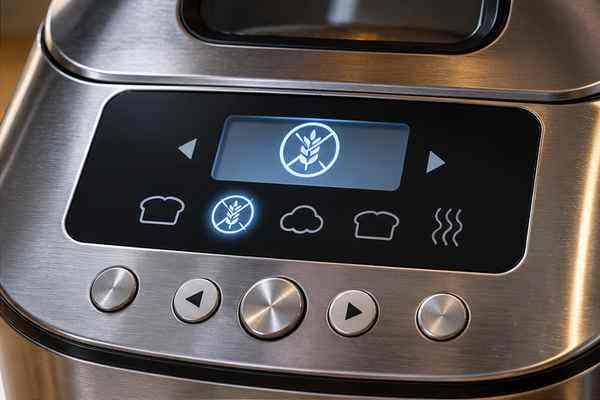
This buying guide compares practical options, explains which settings deserve your attention, and helps you choose a machine that suits your kitchen and baking needs.
Quick Answer: Which Bread Machine Should You Choose?
For shoppers who want flexible gluten-free programming, the Zojirushi Home Bakery Virtuoso Plus BB-PDC20 is a strong option. It offers a dedicated gluten-free course, customizable settings, and a traditional rectangular loaf.
The Cuisinart CBK-110NAS is worth considering if countertop space is limited. Meanwhile, the Hamilton Beach 29885 provides a simpler option with a dedicated gluten-free cycle.
These recommendations are based on published features and manufacturer documentation, not independent hands-on baking tests.
Most importantly, choose a machine with a suitable gluten-free cycle, reliable mixing, adequate loaf capacity, and instructions compatible with your recipe.
Gluten-Free Bread Machine Comparison
| Bread Machine | Notable Features | Best Suited For |
|---|---|---|
| Zojirushi BB-PDC20 | Gluten-free course, dual paddles, customizable timing, 2-lb capacity | Bakers seeking greater control |
| Zojirushi BB-PPC20 | Gluten-free course, custom settings, ceramic-coated pan | Shoppers prioritizing coating features |
| Cuisinart CBK-110NAS | Compact vertical design, gluten-free recipes, 12 preset programs | Smaller kitchens |
| Hamilton Beach 29885 | Gluten-free cycle, 14 programs, multiple loaf-size options | Straightforward home baking |
Buying tip: Confirm current availability, warranty details, and included accessories before ordering. Features can vary between model numbers and revisions.
Best Bread Machines for Gluten Free Bread: Four Options
1. Zojirushi Home Bakery Virtuoso Plus BB-PDC20
The Zojirushi BB-PDC20 stands out because it combines a dedicated gluten-free course with customizable kneading, rising, and baking times.
Its dual kneading blades help mix ingredients throughout the pan. The machine also produces a traditional horizontal loaf, which may appeal to households that regularly make sandwiches.
Three homemade memory settings allow bakers to experiment with recipes requiring different processing times.
Advantages
- Dedicated gluten-free program
- Customizable baking stages
- Dual kneading blades
- Traditional 2-pound loaf shape
- Lid heater for more even baking
Limitations
- Requires substantial counter space
- More settings to learn
- May offer more functionality than occasional bakers need
Best for: Home bakers interested in adjusting recipes and making gluten-free bread regularly.
The customizable cycles are especially useful when a flour blend needs different mixing or proofing conditions.
2. Zojirushi BB-PPC20: An Alternative With Ceramic Coating
The BB-PPC20 offers many familiar Zojirushi features, including dual kneading blades, gluten-free programming, and three customizable memory settings.
Its distinguishing feature is the ceramic nonstick-coated baking pan. According to the manufacturer, food-contact areas are free of PFAS, including PTFE and PFOA, and BPA.
The machine also produces a traditional rectangular 2-pound loaf.
Advantages
- Dedicated gluten-free course
- Customizable kneading, rising, and baking
- Ceramic-coated baking pan
- Dual heaters and kneading blades
Limitations
- Relatively large appliance
- Requires proper care of coated components
- Buyers should compare its price and coating preferences with the BB-PDC20
Best for: Bakers who want programmable gluten-free baking and prefer the manufacturer’s stated ceramic coating characteristics.
3. Cuisinart CBK-110NAS: Compact and Convenient
The Cuisinart CBK-110NAS is an appealing option for kitchens where counter space matters.
Its vertical design occupies a different footprint from horizontal bread makers. Cuisinart lists 12 preprogrammed menu options and provides gluten-free recipes for this model family.
The appliance also offers convenient automatic operation for people who prefer guided settings instead of manually adjusting every baking stage.
Advantages
- Compact vertical design
- Automatic programmed operation
- Manufacturer-supported gluten-free recipes
- Suitable for everyday kitchen use
Limitations
- Vertical loaf shape may not suit every sandwich preference
- Less emphasis on customizable stages than Zojirushi’s programmable models
- Recipe compatibility should be checked carefully
Best for: Beginners and apartment dwellers who want a compact automatic bread maker.
Be sure to distinguish the currently listed CBK-110NAS from the older CBK-110, which Cuisinart identifies as discontinued.
4. Hamilton Beach 29885: A Practical Alternative
The Hamilton Beach Artisan Dough and Bread Maker, model 29885, includes 14 programmable settings, including a gluten-free cycle.
Its published documentation describes multiple loaf-size selections and additional programs for different bread and dough styles.
This makes it a useful model to investigate if you want a straightforward bread maker without concentrating on advanced custom programming.
Advantages
- Dedicated gluten-free setting
- Multiple bread programs
- Removable bread pan
- Relatively simple controls
Limitations
- Custom programming is more limited
- Availability may vary by retailer
- Older models should be checked for warranty and replacement-part support
Best for: Home bakers who primarily want preset bread-making functions.
Before purchasing, confirm that the exact model is available and supported by the seller.
Which Bread Machine Programs Really Matter?
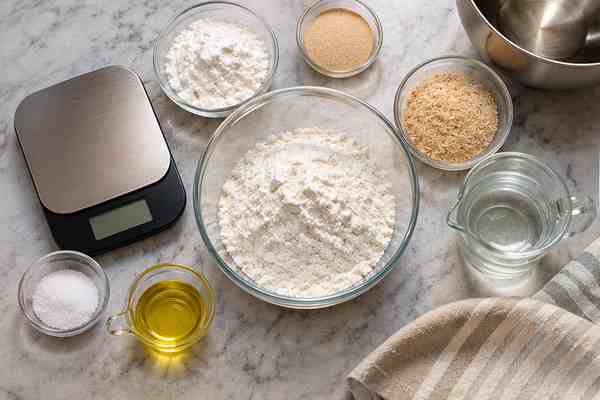
A long list of baking programs does not automatically produce better gluten-free bread. The important question is whether the machine’s cycle fits your recipe.
1. A Dedicated Gluten-Free Cycle
Gluten-free batters do not develop the elastic gluten network found in wheat dough.
Many gluten-free recipes therefore require a different mixing and proofing schedule from ordinary bread recipes.
A dedicated gluten-free program is a useful starting point because it is designed around these different requirements.
However, the label alone does not guarantee excellent results. Check the manual for cycle timing and recommended ingredients.
2. A Suitable Rise Schedule
Traditional bread programs may include several kneading and rising stages.
Many gluten-free yeast breads work better with a thorough initial mix followed by one controlled rise before baking.
Unnecessary deflation or repeated mixing can interfere with their structure.
Look for programs that avoid excessive handling after the batter has risen. Always follow the rise instructions for your chosen flour blend and recipe.
3. Customizable Kneading, Rising, and Baking
Custom programming can be valuable when a standard gluten-free setting produces inconsistent results.
For example, a recipe may require additional mixing to distribute its thickening ingredients evenly.
Another recipe might need a shorter proof to prevent the loaf from rising too far and collapsing.
A programmable machine makes these adjustments easier without switching appliances.
4. Effective Mixing
Gluten-free bread dough often resembles thick batter rather than a conventional kneadable dough ball.
The paddle must incorporate flour and moisture throughout the pan, including near the corners.
Some bakers need to scrape the sides during the initial mixing stage, but only when the manufacturer’s instructions permit safe intervention.
Dual kneading paddles may help distribute ingredients in larger pans. Nevertheless, good results still depend on the recipe and machine design.
5. Reliable Baking and Crust Development
Even heat matters because gluten-free loaves can retain moisture inside while developing a firm exterior.
A properly matched baking program should cook the center without excessively darkening the crust.
An additional bake-only setting can be helpful when a fully baked loaf needs a little more time, provided the manufacturer allows it.
For safety and accuracy, use the recipe’s recommended doneness guidance rather than relying on crust color alone.
How to Choose the Right Gluten-Free Bread Maker
Before buying, compare these practical considerations.
Loaf Size and Household Needs
A smaller household may not need a full 2-pound loaf.
Larger households, especially those preparing sandwiches throughout the week, may appreciate additional capacity.
Remember that a machine’s stated maximum size does not guarantee every gluten-free recipe will work at that capacity.
Kitchen Space
Horizontal models often need more counter width, while vertical machines can be easier to accommodate in small kitchens.
Check the full appliance dimensions, lid clearance, and nearby cabinet space.
Also consider where you will store the machine when it is not in use.
Removable Parts and Cleaning
A removable pan and accessible paddle make cleaning easier.
Gluten-free baking requires particular attention to trapped crumbs and flour residue, especially in kitchens that also handle wheat.
Review cleaning instructions before selecting a machine for someone with celiac disease.
Recipe Support and Replacement Parts
Manufacturer-provided gluten-free recipes offer a helpful starting point.
Choose a machine with accessible instructions and suitable replacement parts whenever possible.
A model with clear documentation may be more useful than one offering numerous unexplained settings.
How to Make Gluten-Free Bread in a Bread Machine
Once you select your appliance, start with a tested recipe designed for its gluten-free program.
Step 1: Select the Correct Ingredients
Use a gluten-free bread flour blend or a recipe-specific combination of flours and starches.
Not every all-purpose gluten-free flour blend is intended for yeast bread.
Some recipes require xanthan gum or psyllium husk to provide structure.
Check ingredient labels carefully, particularly if the bread is intended for someone with celiac disease.
Step 2: Measure Accurately
A digital kitchen scale helps maintain consistent flour measurements.
Small changes in liquid or flour quantities can significantly affect gluten-free dough.
If a recipe uses grams, follow those measurements instead of relying on loosely filled measuring cups.
Step 3: Load Ingredients Correctly
Follow the machine manufacturer’s recommended ingredient order.
Some recipes require liquids first, followed by dry ingredients and yeast. Others specify a different arrangement.
Avoid substituting the loading sequence without checking the instructions.
Step 4: Choose the Gluten-Free Program
Select the dedicated gluten-free cycle when it matches your recipe.
If your machine allows custom programming, use timing recommended by a reliable recipe or the appliance manufacturer.
Do not assume the ordinary whole-wheat cycle is interchangeable.
Step 5: Check the Initial Mixing
Observe the batter during the early mixing stage if the appliance permits it.
Look for dry flour remaining around the sides or poorly incorporated ingredients.
Avoid adding extra liquid casually. Make adjustments only when the recipe provides guidance.
Step 6: Let the Bread Bake and Cool
Allow the programmed cycle to finish without unnecessary interruptions.
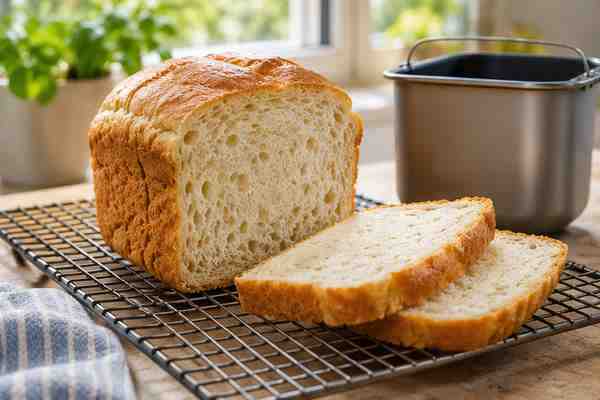
Remove the loaf according to the manufacturer’s safety instructions and cool it on a rack.
Gluten-free bread can have a delicate interior while warm. Cutting too early may create a gummy or compressed texture.
Common Gluten-Free Bread Machine Mistakes
Using the Wrong Flour
A flour blend designed for cookies or cakes may not provide the same structure as a bread-specific blend.
Better approach: Choose a tested yeast-bread recipe and use its recommended flour.
Allowing Too Much Rise Time
Overproofed batter may expand rapidly and then collapse.
Better approach: Follow the recipe’s proofing schedule and avoid unnecessary additional rise cycles.
Adding Too Much Liquid
Extra moisture can produce a wet, heavy interior.
Better approach: Weigh ingredients and adjust hydration only when supported by the recipe.
Opening the Lid Repeatedly
Frequent interruptions may disturb the baking environment and affect loaf development.
Better approach: Monitor early mixing when permitted, then leave the appliance closed during proofing and baking.
Slicing Before Cooling
A freshly baked gluten-free loaf may seem underbaked when its crumb has not finished setting.
Better approach: Follow the recipe’s cooling instructions before slicing.
Gluten-Free Safety: Preventing Cross-Contact
For people with celiac disease, gluten-free baking involves more than choosing the correct flour.
Shared utensils, cutting boards, storage containers, and baking equipment can transfer gluten-containing residues into otherwise gluten-free food.
A bread machine’s gluten-free setting does not clean the appliance or prevent cross-contact.
If a machine has previously been used with wheat flour, inspect the manufacturer’s cleaning guidance and consider whether its removable and inaccessible areas can be cleaned thoroughly.
Dedicated equipment may be a sensible option when reliable cleaning cannot be assured.
The Celiac Disease Foundation provides additional information about gluten sources and kitchen cross-contact.
Frequently Asked Questions
What is the best bread machine for gluten free bread?
The Zojirushi BB-PDC20 is a strong option for bakers who want dedicated gluten-free programming and customizable timing. Cuisinart’s CBK-110NAS is another option for those prioritizing compact design.
Do I really need a gluten-free setting?
A dedicated setting is helpful because gluten-free recipes often need different mixing and rising schedules. However, a programmable machine may also work when its stages can be adjusted to match a tested recipe.
Can a regular bread machine make gluten-free bread?
Sometimes. The machine must support a suitable mixing, rising, and baking sequence. Check the manual and recipe instructions before using a standard bread program.
Why does my gluten-free bread collapse?
Possible causes include excessive rising, too much liquid, insufficient structure, or an unsuitable baking schedule. Change one variable at a time to identify the cause.
Should gluten-free bread rise twice?
Many gluten-free yeast-bread recipes use one main rise. Some methods differ, so follow the instructions for your particular flour blend and machine.
Is a horizontal bread maker better than a vertical one?
Neither shape guarantees better bread. Horizontal machines may produce familiar sandwich slices, while vertical designs can save countertop space.
Can I use any gluten-free flour blend?
No. Different blends contain different flours, starches, and binders. Choose a blend recommended for yeast bread and follow a compatible recipe.
Is a gluten-free bread maker safe for celiac disease?
A machine can be used for gluten-free baking, but safety depends on gluten-free ingredients and effective prevention of cross-contact. The presence of a gluten-free program alone is not sufficient.
Final Verdict: Choose the Program, Not the Marketing
The best bread machine for gluten free bread is the one whose mixing, rising, and baking stages match the recipes you actually plan to make.
For greater flexibility, the Zojirushi BB-PDC20 deserves consideration. The BB-PPC20 adds a ceramic-coated alternative, while the Cuisinart CBK-110NAS offers a compact approach. The Hamilton Beach 29885 is another straightforward option to compare.
No machine guarantees perfect gluten-free bread. Ingredient quality, precise measurements, recipe compatibility, and proper cooling all contribute to the finished loaf.
As an Amazon Associate, I earn from qualifying purchases.