
As an Amazon Associate, I earn from qualifying purchases.
Making your own baby food can feel surprisingly simple once you get the hang of it. With a food processor, you can turn soft cooked vegetables into smooth, spoon-friendly purees in just a few minutes. It is a practical option for busy parents who want more control over ingredients, texture, and freshness without spending hours in the kitchen.
This guide explains how to puree vegetables for babies using a food processor, which vegetables work best, how to get the right consistency, and how to store homemade baby food safely.
Can You Use a Food Processor to Make Baby Food?
Yes, you can. In fact, a food processor works well for homemade baby food, especially when you are making vegetable purees in slightly larger batches. It handles cooked vegetables easily and gives you control over texture. That matters when your baby is just starting solids and needs a very smooth puree, or when they are ready for a slightly thicker texture later on.
A blender is also useful, but many parents prefer a food processor because it is easy to load, scrape down, and use for batch prep. When you already have one at home, there is no need to overcomplicate the process. In many cases, a food processor is more than enough for homemade baby food recipes.
Why Parents Choose Homemade Vegetable Puree
However, store-bought baby food is convenient, but homemade puree has its own advantages. Homemade meals let you know exactly what is included. They also allow you to skip added salt, sugar, or unnecessary ingredients.
For many families, homemade baby food puree is also budget-friendly. A few sweet potatoes, carrots, peas, or zucchini can turn into several servings at a low cost. Once you build a simple routine, it becomes an easy part of weekly meal prep.
Best Vegetables for Baby Puree
Some vegetables are easier to puree than others, especially for babies who are just starting solids. The best vegetables for baby puree are the ones that cook until very soft and blend smoothly.
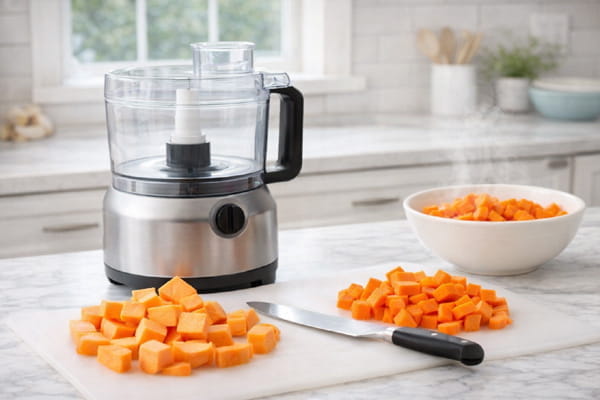
Here are some of the easiest choices:
Sweet Potatoes
Sweet potatoes are naturally creamy and mild in flavor. They blend well and usually need very little added liquid.
Carrots
Carrots are a classic first food. They become soft after steaming or boiling and make a naturally sweet puree.
Peas
Peas are nutritious and easy to prepare, though they sometimes need extra blending for a smoother finish.
Butternut Squash
Butternut squash has a soft texture and mild sweetness, which makes it a popular choice for vegetable puree for babies.
Zucchini
Zucchini cooks quickly and blends into a light, smooth puree.
Green Beans
Green beans can work well too, though they may need a bit more blending and straining if you want a very silky texture.
Pumpkin
Pumpkin is another soft vegetable that purees easily and stores well.
When starting solids, many parents find it helpful to introduce one vegetable at a time before mixing flavors together.
What You Need Before You Start
You do not need a complicated setup. Here is what helps:
- a food processor
- washed and peeled vegetables if needed
- a steamer basket, pot, or saucepan
- clean water
- a spoon or spatula
- baby food storage containers or ice cube trays
Some parents also add a small amount of breast milk, formula, or water to thin the puree. That is optional and depends on the texture you want.
How to Puree Vegetables for Babies Using a Food Processor
If you are wondering how to make baby food in a food processor, the process is straightforward.
1. Wash the Vegetables
Start by rinsing the vegetables well. Remove dirt, trim ends, and peel them if needed. Sweet potatoes, carrots, and butternut squash usually need peeling. Zucchini may not.
2. Cut Into Small Pieces
Chop the vegetables into small, even pieces. Smaller pieces cook faster and more evenly, which makes blending easier later.
3. Cook Until Very Soft
Steam or boil the vegetables until they are soft enough to mash easily with a fork. Steaming is often preferred because it helps vegetables hold onto flavor and texture without becoming watery.
The goal is simple: the vegetables should be tender, not firm. Slightly tough vegetables can make the puree grainy or uneven.
4. Let Them Cool Slightly
You do not want to blend piping hot vegetables right away. Let them cool for a few minutes so they are safe to handle. Warm is fine. Extremely hot is not necessary.
5. Add Vegetables to the Food Processor
Transfer the cooked vegetables into the food processor bowl. Do not overfill it. Smaller batches often blend more smoothly than one large packed batch.
6. Blend Until Smooth
Pulse first, then process until the mixture starts to break down. Scrape down the sides with a spatula as needed. Keep blending until the puree reaches the texture you want.
7. Add Liquid Slowly if Needed
When the puree feels too thick, add a little water, breast milk, or formula. Add only a small amount at a time. It is much easier to thin a puree than to fix one that has become too runny.
8. Check the Texture
For younger babies who are just beginning solids, the puree should be very smooth with no noticeable chunks. For older babies who are already comfortable with purees, you can leave it slightly thicker.
9. Cool and Serve
Before serving, make sure the puree is not too hot. Stir it well and test the temperature.
That is the basic method for how to puree vegetables for babies using a food processor. Once you do it a few times, it becomes quick and familiar.
How Smooth Should Baby Puree Be?
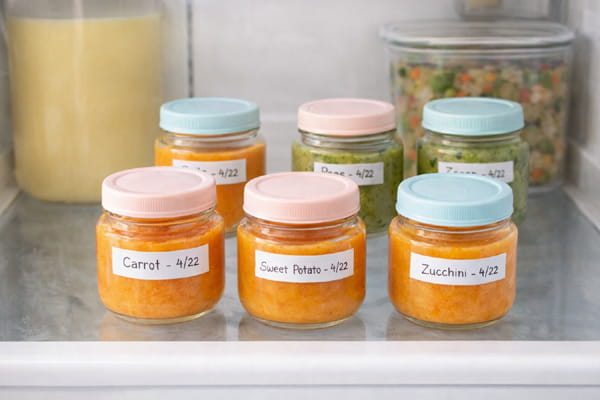
At this stage, texture matters. Babies who are just starting solids usually do best with a thinner, very smooth puree. As they get older and more comfortable eating, you can gradually make purees thicker and less perfectly smooth.
A simple way to think about it:
- Early stage: very smooth, spoonable, no lumps
- Middle stage: thicker puree with a little body
- Later stage: mashed or textured puree with soft tiny bits
You do not need to rush texture changes, but it does help to gradually move beyond ultra-smooth purees when your baby is ready.
Tips for Getting a Smoother Puree
A few small adjustments can make a big difference.
Cook the Vegetables Fully
Undercooked vegetables are one of the biggest reasons a puree turns out rough or grainy.
Blend in Smaller Batches
An overloaded food processor does not always blend evenly. If needed, split the batch.
Add Liquid Little by Little
A splash can help. Too much can leave you with watery baby food.
Scrape the Sides Often
Vegetables can stick to the bowl. Stop and scrape down the sides to keep the texture even.
Choose Soft Vegetables First
If you are new to homemade baby food puree, start with sweet potatoes, carrots, squash, or zucchini. They are easier to work with than stringier vegetables.
Common Mistakes to Avoid
Even simple baby food prep has a few pitfalls. Here are the most common ones.
Using Raw Vegetables
Most vegetables should be cooked before pureeing for babies. Raw vegetables are harder to blend and may not be appropriate for early feeding stages.
Serving Puree That Is Too Thick
A very thick puree can be harder for a beginner eater to manage. Thin it a little if needed.
Adding Salt or Seasoning
Babies do not need added salt, sugar, or strong seasoning in their food. Keep vegetable purees simple.
Not Checking Temperature
Warm food is fine. Hot food is not. Always check before serving.
Making Too Much Without a Storage Plan
Homemade baby food is helpful, but only if you store it properly. Make a realistic amount that you can refrigerate or freeze safely.
Is a Food Processor Better Than a Blender for Baby Food?
It depends on what you already own and how you want to prep food.
A food processor is great for:
- batch prep
- cooked vegetables
- slightly thicker purees
- scraping and adjusting texture easily
A blender is often better for:
- extra-smooth purees
- thinner blends
- very small or very liquid mixtures
For most parents, either option can work. For homemade vegetable puree without buying extra equipment, a food processor is a practical choice.
How to Store Homemade Baby Food Safely
After preparation, safe storage matters just as much as making the puree itself.
In the Refrigerator
Store fresh puree in a clean airtight container. It is best used within a short period so it stays fresh and safe.
In the Freezer
Freezing is one of the easiest baby food storage tips for busy parents. Spoon puree into ice cube trays or small freezer-safe containers. Once frozen, transfer cubes to a labeled freezer bag or container.
Label Everything
Write the name of the vegetable and the date. That makes meal planning much easier and helps prevent waste.
Reheat Carefully
If you warm frozen puree, stir well and check for hot spots before serving.
Easy Vegetable Puree Ideas to Try
Once you are comfortable using your food processor, these simple combinations can keep things interesting:
- carrot puree
- sweet potato puree
- peas and zucchini puree
- butternut squash puree
- pumpkin and carrot puree
When introducing new foods, many parents prefer starting with single-ingredient purees before moving to combinations.
Safety Notes for Parents Starting Solids
Homemade baby food should be simple and safe. Keep these points in mind:
- wash hands, tools, and surfaces before prep
- use fresh vegetables
- cook until soft
- avoid added salt and sugar
- serve age-appropriate textures
- introduce new foods thoughtfully
- talk to your pediatrician if you have feeding concerns or questions about starting solids
A practical approach works best. You do not need a perfect system. You just need safe prep, soft vegetables, and a texture your baby can handle.
Frequently Asked Questions
Can I make baby food in a food processor instead of a blender?
Yes. A food processor works well for many homemade baby food recipes, especially cooked vegetable purees.
What vegetables are best for baby puree?
Sweet potatoes, carrots, peas, butternut squash, pumpkin, and zucchini are all popular choices because they soften well and blend easily.
Do I need to add water when pureeing vegetables?
Not always. Some vegetables, like zucchini or squash, already contain enough moisture. Others may need a little water, formula, or breast milk to blend smoothly.
Can I freeze homemade vegetable puree for babies?
Yes. Freezing small portions is a convenient way to prep baby food ahead of time.
Is it better to steam or boil vegetables for baby food?
Both can work, but steaming is often preferred because it softens vegetables without making them too watery.
How do I know if the puree is smooth enough?
For babies new to solids, aim for a very smooth texture with no chunks. As your baby gets older, you can gradually make it thicker.
Final Thoughts
Learning how to puree vegetables for babies using a food processor is one of those kitchen skills that quickly becomes second nature. It is simple, practical, and flexible enough for real family life. You do not need fancy tools or complicated recipes to make homemade baby food that feels fresh and manageable.
Start with soft vegetables, blend in small batches, and focus on texture. Once you find a routine that works, homemade baby food puree can become an easy part of the week rather than another stressful chore. For many parents, that balance of convenience, freshness, and control is exactly what makes it worth doing.
As an Amazon Associate, I earn from qualifying purchases.