
As an Amazon Associate, I earn from qualifying purchases.
Cooking on a gas stove is fast, flexible, and powerful, but the wrong cookware can make everyday meals harder than they should be. Thin pans burn food quickly, cheap nonstick coatings wear down, and unstable bases can make cooking feel frustrating.
The best cookware set for gas stove cooking should do more than look good in your kitchen. It should heat evenly, sit securely on grates, handle direct flame, clean up without too much effort, and last through daily use.
This guide is built to help you choose cookware based on how you actually cook. Whether you want a durable stainless steel cookware set, an easy-clean nonstick option, or a smart starter set for a small kitchen, here is what to buy, what to avoid, and why it matters.
Quick Picks: Best Cookware Set for Gas Stove by Cooking Need
| Best For | Best Choice | Why It Works |
|---|---|---|
| Best Overall | Tri-ply stainless steel cookware set | Durable, versatile, and great for everyday gas stove cooking |
| Best Budget | Hard-anodized nonstick cookware set | Easy to clean, affordable, and practical for daily meals |
| Best for Beginners | Ceramic nonstick cookware set | Simple to use and good for low to medium-heat cooking |
| Best Long-Term Value | Stainless steel set plus cast iron skillet | Covers almost every cooking style and lasts for years |
| Best for Small Kitchens | 7 to 10-piece cookware set | Saves space while still covering daily cooking needs |
| Best Premium Choice | Fully clad stainless steel cookware | Better heat control and long-term performance |
How We Chose the Best Cookware for Gas Stoves
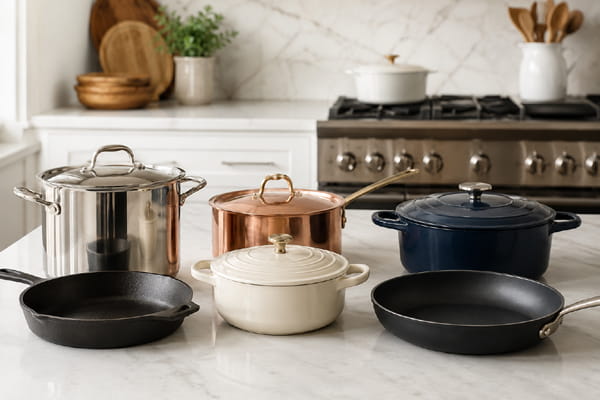
A gas stove is different from an electric or induction cooktop because the open flame hits the cookware directly. That means the best cookware for gas range cooking must handle uneven heat better than cheap, lightweight pans.
For this guide, the most important factors are:
- Heat distribution
- Flame tolerance
- Base thickness
- Handle comfort
- Cleaning effort
- Durability
- Everyday usability
- Value for money
- Best use case for real kitchens
The goal is not to recommend the most expensive cookware. The goal is to help you buy the right cookware set for your cooking style.
Why Gas Stoves Need Better Cookware
Gas stoves heat quickly and respond fast when you adjust the flame. That is one reason many home cooks prefer them. But gas flames can also create hot spots, especially if the pan is too thin.
A poor-quality pan may get very hot in the center while the edges stay cooler. This can burn eggs, scorch sauces, or cook meat unevenly. Over time, thin cookware may also warp, making it less stable on the stove.
A good gas stove cookware set should have a sturdy base, balanced weight, and strong construction. It should also match the size of your burner. When the flame spreads too far up the sides of a pan, it can damage handles, stain the exterior, and waste energy.
Best Overall: Tri-Ply Stainless Steel Cookware Set
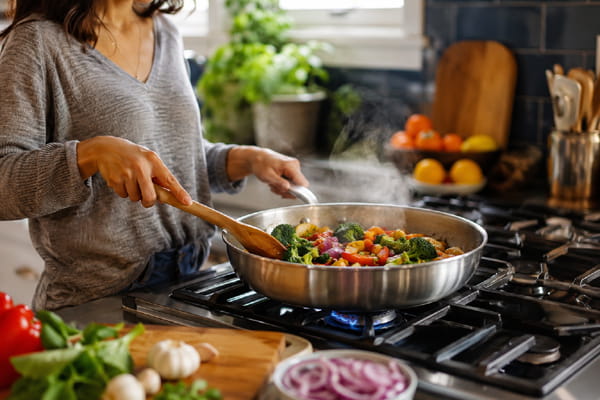
For most US kitchens, tri-ply stainless steel is the best overall choice for gas stove cooking. It is strong, versatile, and built for long-term use.
Tri-ply cookware usually has stainless steel on the outside and inside, with an aluminum core in the middle. The stainless steel gives durability, while the aluminum helps distribute heat more evenly. This combination works especially well on gas stoves because it reduces hot spots.
A stainless steel cookware for gas stove setup can handle boiling pasta, simmering soups, sautéing vegetables, browning chicken, and making sauces. It also looks clean and professional in almost any kitchen.
Buy it if:
You cook regularly and want cookware that can last for years.
Skip it if:
You want the easiest cleanup possible and do not want to learn proper stainless steel cooking techniques.
Best for:
Families, regular home cooks, meal prep, and long-term kitchen investment.
Best Budget: Hard-Anodized Nonstick Cookware Set
If you want something affordable, easy to clean, and practical, hard-anodized nonstick cookware is a strong budget choice. It is often lighter than stainless steel and easier for beginners to use.
Hard-anodized aluminum heats quickly and evenly. Many sets also include a nonstick surface, which is useful for eggs, pancakes, fish, and low-oil cooking.
The main thing to remember is heat control. Nonstick cookware for gas stove cooking should be used on low to medium heat. High flame can damage the coating faster.
Buy it if:
You want easy cleanup and everyday convenience.
Skip it if:
You often cook on high heat or want cookware that lasts for decades.
Best for:
Busy families, apartment kitchens, beginners, and budget-conscious buyers.
Best for Beginners: Ceramic Nonstick Cookware Set
Ceramic cookware is a popular choice for people who want a smooth cooking surface and a modern kitchen look. Many ceramic sets come in different colors and designs, which makes them attractive for stylish kitchens.
Ceramic cookware for gas stove use can work well for light meals, eggs, vegetables, and simple weeknight dinners. It is usually easy to clean, but it needs careful handling. High heat, metal utensils, and rough scrubbers can shorten its life.
Ceramic is not always the strongest long-term option, but it is very user-friendly when used properly.
Buy it if:
You want simple cooking, easy cleanup, and a modern look.
Skip it if:
You frequently sear meat or cook on high flame.
Best for:
Beginners, small households, and light everyday cooking.
Best Long-Term Setup: Stainless Steel Plus Cast Iron
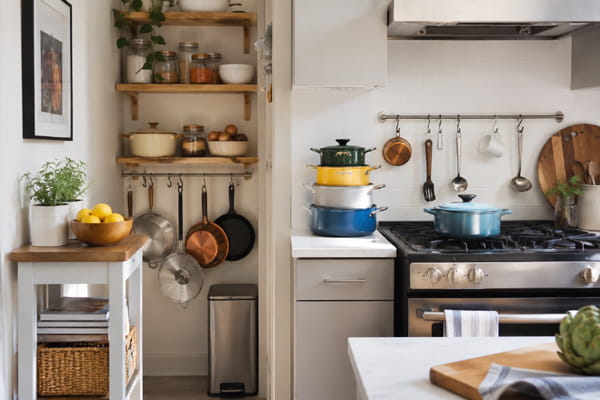
If you want a cookware setup that can handle almost everything, combine a stainless steel cookware set with one cast iron skillet.
Stainless steel covers most daily cooking tasks. Cast iron handles high-heat searing, frying, and oven cooking. Together, they give you excellent flexibility on a gas stove.
Cast iron is heavy and needs care, but it is one of the most durable cookware materials. A well-maintained cast iron skillet can last for many years. It is especially useful for steak, burgers, fried potatoes, cornbread, and one-pan meals.
Buy it if:
You want durability and cooking flexibility.
Skip it if:
You prefer lightweight pans and very easy cleaning.
Best for:
Serious home cooks, meat lovers, and long-term value buyers.
Best for Small Kitchens: 7 to 10-Piece Cookware Set
A huge cookware set is not always a better deal. Many large sets include extra lids, utensils, or pieces you may rarely use. For most small kitchens, a 7 to 10-piece set is enough.
A practical set should include:
- 8-inch or 10-inch frying pan
- 10-inch or 12-inch skillet
- 2-quart saucepan with lid
- 3-quart sauté pan with lid
- 5-quart or larger stockpot with lid
This covers breakfast, pasta, soup, sauces, vegetables, and family dinners without crowding your cabinets.
Buy it if:
You have limited storage or live in an apartment.
Skip it if:
You cook large meals often and need multiple pans at once.
Best for:
Small kitchens, couples, students, and apartment living.
Best Premium Choice: Fully Clad Stainless Steel Cookware
Fully clad stainless steel cookware is the premium version of stainless steel. In this type of cookware, the heat-conductive layer runs through the whole pan, not just the bottom.
This gives better heat control, especially when cooking sauces, browning meat, or sautéing vegetables. It is also more durable than many lower-cost sets.
The biggest downside is price. Fully clad cookware can be expensive, but it may be worth it if you cook often and want a set that can stay in your kitchen for a long time.
Buy it if:
You cook regularly and want professional-level performance.
Skip it if:
You only cook occasionally or need a low-cost starter set.
Best for:
Frequent cooks, serious home kitchens, and long-term buyers.
Cookware Materials Compared
| Material | Strength | Weakness | Best Use |
|---|---|---|---|
| Stainless Steel | Durable and versatile | Food can stick without proper technique | Everyday cooking, sauces, searing |
| Hard-Anodized Nonstick | Easy to clean and affordable | Coating can wear over time | Eggs, fish, pancakes, quick meals |
| Ceramic Nonstick | Stylish and beginner-friendly | Less durable under high heat | Light cooking and simple meals |
| Cast Iron | Excellent heat retention | Heavy and needs maintenance | Searing, frying, oven cooking |
| Copper | Fast heat response | Expensive and high maintenance | Precision cooking |
| Thin Aluminum | Cheap and lightweight | Can warp and heat unevenly | Occasional light use only |
What Most Buyers Get Wrong
Many shoppers choose cookware by piece count. A 15-piece set may look like a better value, but sometimes it includes utensils, small lids, or pans you will rarely use. A smaller set with better construction is usually smarter.
Another common mistake is using nonstick pans over high flame. Gas stoves heat fast, and high heat can damage nonstick or ceramic coatings. For nonstick cookware, medium heat is usually enough.
Some buyers also focus too much on color and design. A beautiful cookware set is nice, but performance matters more. Look for base thickness, handle strength, lid quality, and material before choosing based on appearance.
What to Look for Before Buying
Heat Distribution
Choose cookware with an aluminum or copper core if possible. This helps spread heat and prevents burning in one spot.
Sturdy Base
A thick, flat base is important for gas stove grates. It helps the pan stay stable and reduces warping.
Comfortable Handles
Handles should feel secure and balanced. Riveted handles are usually stronger, but they may need extra cleaning around the rivets.
Oven Safety
If you like finishing dishes in the oven, check the oven-safe temperature. Also check whether the lids are oven-safe.
Easy Cleaning
Nonstick and ceramic are easiest to clean. Stainless steel takes more effort but usually lasts longer.
Right Number of Pieces
Most homes do not need a massive cookware set. Buy pieces you will actually use.
Cookware to Avoid on Gas Stoves
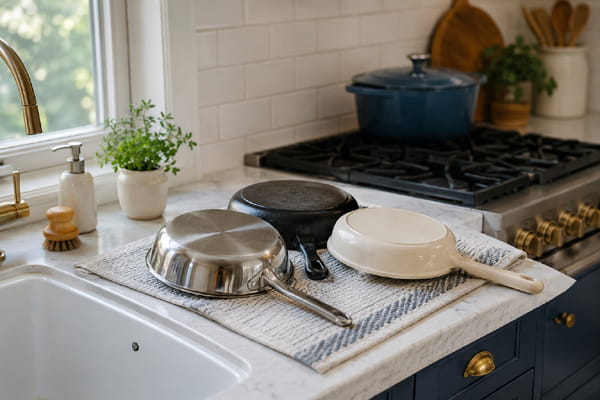
Avoid very thin, lightweight cookware if you cook often. It may heat unevenly and warp faster under direct flame.
Avoid cheap nonstick pans that do not mention a strong base or durable construction. They may look good at first but lose performance quickly.
Avoid cookware with loose handles, poor-fitting lids, or unclear oven-safe information. These small details can become big problems after a few months of use.
Also avoid buying a set only because it is popular online. The best pots and pans for gas stove cooking should match your actual cooking habits.
Care Tips for Gas Stove Cookware
Use the right flame size. The flame should stay under the pan, not climb up the sides.
For stainless steel, preheat the pan before adding oil. This helps reduce sticking. Let stuck-on food soak before scrubbing.
For nonstick and ceramic cookware, use wood, silicone, or nylon utensils. Avoid metal tools and harsh scrubbers.
For cast iron, dry it immediately after washing. Add a thin layer of oil when needed to protect the surface.
When storing cookware, use pan protectors or soft towels between stacked pans. This helps prevent scratches, especially on nonstick and ceramic surfaces.
Final Buying Decision
Choose tri-ply stainless steel if you want the best overall cookware set for gas stove cooking. It is durable, versatile, and strong enough for daily meals.
Choose hard-anodized nonstick if you want easy cleanup and better affordability.
Choose ceramic nonstick if you want a beginner-friendly set for light cooking.
Choose fully clad stainless steel if you want premium performance and cook often.
Add one cast iron skillet if you love searing, frying, or oven-style meals.
The right cookware set should make cooking easier, not just fill your cabinets. For most US homes, a stainless steel set with one nonstick pan or cast iron skillet is the smartest long-term setup.
FAQs
What is the best cookware set for gas stove cooking?
The best cookware set for gas stove cooking is usually tri-ply stainless steel because it is durable, versatile, and handles direct flame well.
Is nonstick cookware good for gas stoves?
Yes, nonstick cookware can work well on gas stoves if you use low to medium heat. Avoid high flame to protect the coating.
Is stainless steel better than nonstick for gas stoves?
Stainless steel is better for durability and high-heat cooking. Nonstick is better for easy cleanup and delicate foods like eggs and fish.
Can ceramic cookware be used on a gas stove?
Yes, ceramic cookware can be used on a gas stove, but it works best with low to medium heat and gentle utensils.
How many pieces should a cookware set have?
Most home cooks need a 7 to 10-piece cookware set. This is enough for daily cooking without wasting storage space.
What cookware should I avoid for gas ranges?
Avoid thin pans, weak handles, poor coatings, and cookware that does not clearly mention heat-safe construction.
What is the most durable cookware for gas stoves?
Stainless steel and cast iron are among the most durable options for gas stove cooking.
As an Amazon Associate, I earn from qualifying purchases.